

Thank You
2026 Conference Program
12:00 PM - 1:00 PM
Registration
Tuesday, April 14
12:00 PM - 1:00 PM
1:00 PM - 1:10 PM
Land Acknowledgement & Opening Remarks
Tuesday, April 14
1:00 PM - 1:10 PM
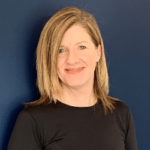 |
Alison Cocking, BSc. PT, M.Ed. M |
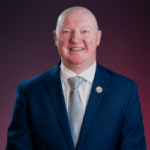 |
Scott Maxwell |
1:10 PM - 4:00 PM
Therapy vs. Reality for First Responders: Bridging the Gap Between the Clinical and Operational Worlds”
Tuesday, April 14
1:10 PM - 4:00 PM
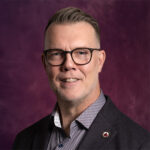 |
Dr. Tim Black, PhD, R. Psych. | 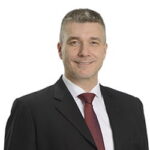 |
Dr. Nick Carleton, Ph.D., R.D. Psych. |  |
Dr. Nadia Aleem, Psychiatrist, MD, MHSc CCFP, FRCP |
Join us for a half-day workshop focused on building connections through formative, in-depth discussions on how to connect and integrate the “world of therapy” with the “real-life world” of Trauma Exposed Professionals (TExP) and their families (TExF). All are invited to attend to learn, share, and contribute to the roundtable discussions of successes, challenges, barriers, and future solutions for addressing the gaps between counselling/psychotherapy and operational reality for first responder communities. This unique event will be facilitated by Drs. Nick Carleton, Tim Black, and Nadia Aleem with a focus on making and strengthening connections, while building bridges between the clinical and operational worlds.
2:15 PM - 2:30 PM
Refreshment Break
Tuesday, April 14
2:15 PM - 2:30 PM
4:30 PM - 6:30 PM
Reception
Tuesday, April 14
4:30 PM - 6:30 PM
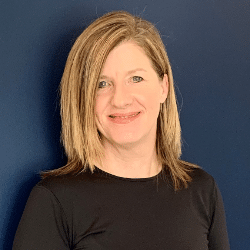
Alison Cocking, BSc. PT, M.Ed.
Managing Director
Insight Health Solutions, Trillium Health Partners
Alison Cocking is a strategic healthcare leader who serves as Trillium Health Partner’s Managing Director, Insight Health Solutions, one of Canada’s largest hospital-based disability management third-party programs. As a senior leader in the healthcare sector, Alison has over three decades of experience leading high functioning teams and programs in their delivery of impactful value-based quality services. The ability to financially contribute Insight’s profits to the hospital’s programs and services to help create a new kind of healthcare for a healthier community, is what drives and inspires her. Alison is a UK-trained Physiotherapist with a Master’s degree in Education from the University of Toronto. An avid kayaker, hiker, traveler and general enthusiast of the great outdoors, Alison’s goal is to have visited 100 countries by 2045.
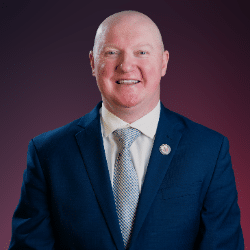
Scott Maxwell
Chief Executive Officer
Wounded Warriors Canada
A dedicated public servant, mental health champion, and not-for-profit business leader, Scott Maxwell is the Chief Executive Officer of Wounded Warriors Canada. Scott’s unique experience intersects public policy, politics, and non-profit business strategy and development. His passion for those who so bravely serve Canada stems from his high school friend, Trooper Darryl Caswell, who was killed by a roadside bomb in Afghanistan on June 11, 2007.
As CEO of Wounded Warriors Canada, the country’s largest non-profit mental health training and counselling provider for Veterans, First Responders and their families, Scott successfully transformed what was a regional, volunteer-based initiative into an organization providing support to over 30,000 trauma exposed professionals and their families each year.
7:30 AM - 8:30 AM
Registration & Breakfast
Wednesday, April 15
7:30 AM - 8:30 AM
8:30 AM - 8:40 AM

8:40 AM - 8:50 AM
Opening Remarks & Land Acknowledgement
Wednesday, April 15
8:40 AM - 8:50 AM
|
Scott Maxwell |  |
Karli Farrow |
8:50 AM - 9:00 AM
Welcome from our National Sponsor
Wednesday, April 15
8:50 AM - 9:00 AM
 |
Homewood Health |
9:00 AM - 10:00 AM
10:00 AM - 10:30 AM
Refreshment Break
Wednesday, April 15
10:00 AM - 10:30 AM
10:30 AM - 11:45 AM
Morning Workshop #1: Embedding Mental Health Supports for Forestry and Parks: Clinical Deployment & System Level Learnings
Wednesday, April 15
10:30 AM - 11:45 AM
 |
Dr. Megan McElheran, R.Psych | 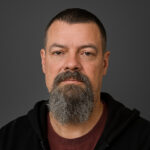 |
Joe Burrows |
Forestry personnel, including wildfire frontlines and broader support staff, operate under unique occupational stressors. While wildfire crews face extended deployments in high-risk, high-stress environments, support staff across the Forestry Division are likewise exposed to cumulative pressures associated with coordination, logistics, and decision-making during wildfire season and beyond. Recognizing these diverse challenges, Alberta Forestry launched a new initiative to embed structured mental health supports across the division.
Wayfound was selected as the 2025 season provider through a rigorous RFP process. Following selection, a division-wide needs assessment was conducted to identify the distinct mental health demands of both frontline and support staff. These findings informed the design of a tailored clinical deployment process that integrates field-based clinicians with Forestry operations. During the 2025 wildfire season, Wayfound clinicians were deployed to wildfire camps throughout Alberta and engaged directly with broader Forestry teams, delivering proactive supports, responsive interventions, and evidence-informed programming. Activities spanned confidential one-on-one sessions, psychoeducational workshops, and group debriefs, while also supporting leadership in cultivating psychologically safe practices.
This session will present the clinical deployment model, highlight lessons learned from the 2025 wildfire season, post season findings, and strategies for sustaining a culture of psychological health across the Forestry Division. Emphasis will be placed on pragmatic frameworks that are adaptable to other high-risk, resource-constrained sectors.
Learning Objectives / Takeaways:
- Describe the design and implementation of clinical supports across both frontline and support roles in Forestry.
- Identify common stressors and mental health needs emerging from the 2025 season.
- Apply a scalable deployment model to enhance workforce resilience in other high-demand occupational settings.
Morning Workshop #2: Post-Pandemic Paramedic Mental Health in Ontario: Where Are We Now and Where Do We Go Next?
Wednesday, April 15
10:30 AM - 11:45 AM
 |
Justin Mausz, Ph.D. | 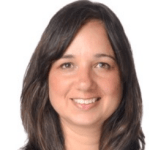 |
Nadia Aleem, MD, FRCP | 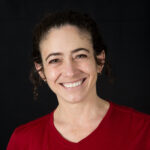 |
Elizabeth Donnelly, Ph.D., NREMT |
 |
Dave Wakely, LLM | 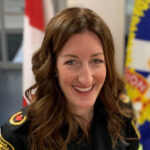 |
Mandy Johnston, ACP | 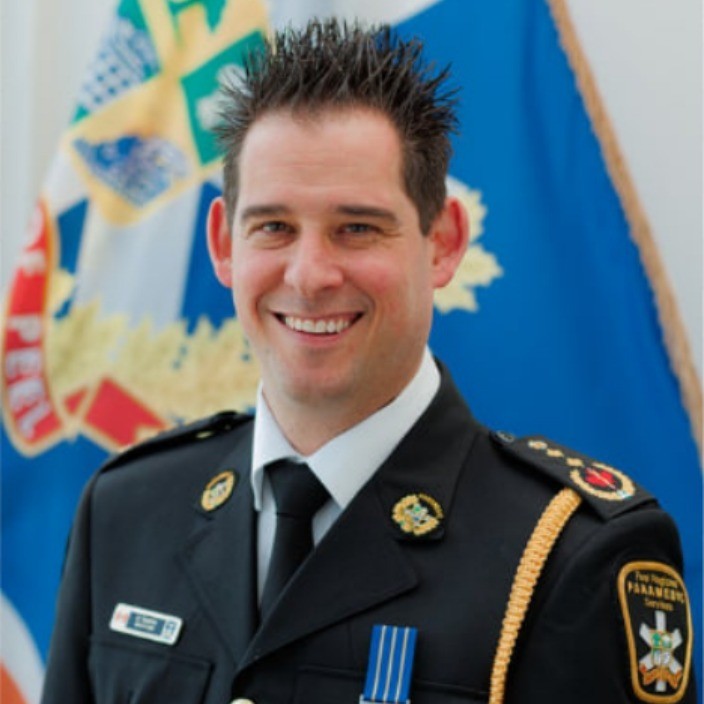 |
Cory Tkatch, BBA |
This session will feature a moderated discussion with members of our research team alongside paramedic service leadership and union representatives. Weaving together the findings from the study, the panel will expand upon key results, reflect on methodological decisions, and explore the implications of the study for mental health policy, workforce planning, and future research.
Morning Workshop #3: Operational Stress Intervention Dogs: a calming presence and support for Public Safety Organizations
Wednesday, April 15
10:30 AM - 11:45 AM
 |
Mike Annan OSI-SDI |
This session explores the role of Operational Stress Intervention Dogs (OSIDs)—specialized working dogs that support trauma-exposed professionals in high-stress environments. Falling under the umbrella of Animal Assisted Interventions, OSIDs are selected for their exceptional stress-modulation capacity and trained to perform a minimum of three therapeutic tasks tailored to their placement setting.
Unlike service dogs trained for a single individual, OSIDs work with multiple clients in diverse workplace contexts, such as law enforcement agencies and mental health facilities. Attendees will learn how OSIDs are trained to detect and respond to environmental and interpersonal signs of stress or anxiety through interventions like deep pressure therapy, agitation alerts, grounding cues, and mood-enhancing activities.
The session will also address co-ownership models between organizations and client agencies, ongoing skill maintenance for both dogs and handlers, and the importance of staff-wide awareness to ensure consistent, effective use of the dogs in operational settings.
Participants will leave with a clear understanding of the science, training methodology, and organizational frameworks that make OSIDs a powerful tool for promoting resilience, emotional regulation, and recovery in high-stress professional environments.
Morning Workshop #4: Community Occupational Therapy Mental Health Services: The Functional Psychotherapy Twist to Optimize Outcomes with First Responders
Wednesday, April 15
10:30 AM - 11:45 AM
 |
Vikki Madden, MSc (OT), OT Reg. (Ont.) |  |
Genevieve Bernardo, MScOT, OT Reg. (Ont.) |
Have you heard all the wellness and mental health strategies...understand the concepts but have trouble translating what you know into day-to-day life and situations? Let's explore how the partnership with a community-based OT can take these skills and strategies on the road and make it useful in day-to-day life. This session will highlight how OT services can help first responders towards functional recovery and includes the following objectives:
- To bring to life the role of OT in the community in supporting first responders experiencing functional challenges related to mental health, with a focus on engagement, identity, and safe return to meaningful work.
- To identify key success factors in quality of life and return to work planning, drawing from evidence-informed best practices and our own real-world experience and data serving hundreds of first responders in the community across Ontario and BC
- To translate these community-based clinical insights into practical strategies that can be implemented by first responders, clinicians, employers, insurers and support teams to improve functional outcomes and long term sustainability
Morning Workshop #5: Collective Care: Building a multi-agency Peer Support team
Wednesday, April 15
10:30 AM - 11:45 AM
 |
Heather Humphrey, BSW, MSW, RSW | 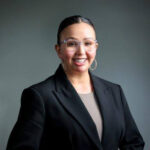 |
Taylor Sayers | 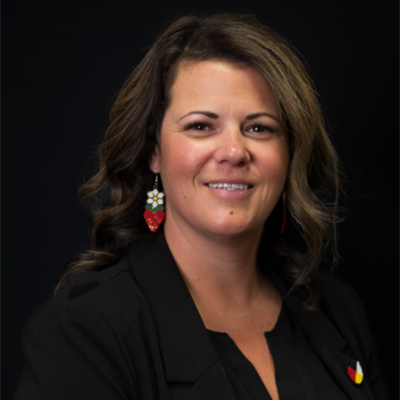 |
Amanda Neveu |
What does Peer Support look like when many different police services come together to serve one purpose, to ensure their members have access to a Peer Support team? This session will provide an overview of the development of a multi-service peer support program designed to support the nine self-administered Indigenous police services in Ontario. It will explore how the services came together to create a shared, cross-sectional peer support model which increases access to confidential, culturally safe and trauma-informed support, for all members. The presentation will highlight the challenges of building a multi-service peer support team including the importance of innovation, relationships, and collaboration, and key lessons learned in building this collective care approach. Participants will leave with practical insights and transferable principles to help inform the development of similar peer support models in other regions and service contexts.
11:45 AM - 12:45 PM
Lunch
Wednesday, April 15
11:45 AM - 12:45 PM
12:45 PM - 1:30 PM
Keynote Address: Warrior Health - Delivery and Evaluation - Year 1 Update
Wednesday, April 15
12:45 PM - 1:30 PM
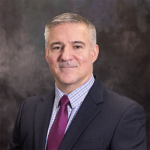 |
Mike Wionzek |
1:30 PM - 1:45 PM
Plenary: Reporting Back - Making Research Matters: Bridging the Gap Between the Academic and Operational Worlds – One Year Anniversary
Wednesday, April 15
1:30 PM - 1:45 PM
|
Dr. Tim Black, PhD, R. Psych. | |
Dr. Nick Carleton, Ph.D., R.D. Psych. | |
Dr. Nadia Aleem, Psychiatrist, MD, MHSc CCFP, FRCP |
Last year we had the privilege of hearing from attendees about what they wanted researchers to know. The response was inspiring. We took the same questions across Canada, and we are ready to report back. We will showcase what we heard, learned, and built for next steps.
1:45 PM - 2:15 PM
Refreshment Break
Wednesday, April 15
1:45 PM - 2:15 PM
2:15 PM - 3:30 PM
Afternoon Workshop #1: Who seeks online therapy, what helps, and what gets in the way: Lessons learned from PSPNET supporting Canadian public safety personnel
Wednesday, April 15
2:15 PM - 3:30 PM
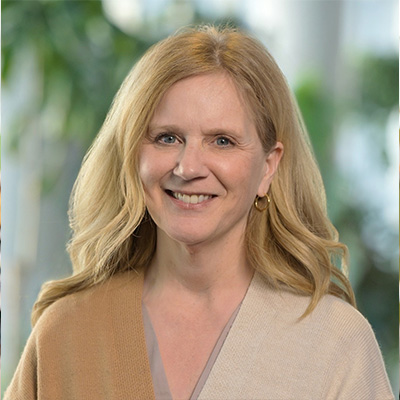 |
Dr. Heather Hadjistavropoulos, PhD Principal Investigator & Director PSPNET |
Canadian public safety personnel (PSP) face diverse stressors, mental health challenges, and barriers to care. Since 2019, PSPNET has offered internet-delivered cognitive behavioural therapy (ICBT) to PSP nationwide. We will present broad ICBT research results on benefits and limits, and why PSPNET is an essential part of the PSP mental health continuum. The presentation will also provide exciting updates about recent developments and pending next steps for PSPNET across Canada.
Afternoon Workshop #2: 24/7 line
Wednesday, April 15
2:15 PM - 3:30 PM
 |
Dave McLennan |
This workshop shares how a 24/7 anonymous peer support service has become a lifeline for first responders and veterans—saving lives, interrupting crisis, and changing outcomes across the community.
Led by the President and Founder of Boots on the Ground, the session offers an inside look at the operational model behind a trusted peer support system that operates around the clock. Participants will learn how anonymity and confidentiality are protected, how peers are selected and supported, and how real-time risk is recognized and managed when someone is in distress.
Beyond operations, the workshop highlights the tangible impact this service has had within the first responder community: lives saved through timely intervention, moments of connection that reduce isolation, and meaningful change for individuals who believed they had nowhere else to turn. The discussion also explores the broader cultural impact of accessible peer support—how trust, lived experience, and 24/7 availability strengthen help-seeking behaviour and reduce stigma.
This session moves beyond theory to demonstrate what happens when peer support is available 24/7—and when it works.
Afternoon Workshop #3: Building a solid, multidisciplinary mental health Bureau/unit within a PSP organization
Wednesday, April 15
2:15 PM - 3:30 PM
 |
Dr. Vivien Lee, C.Psych | 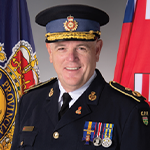 |
Chris Harkins |
In 2019, several internal and external reviews were published about mental health in the Ontario Provincial Police (OPP) as well as police services across Ontario. A number of changes have been taking place throughout the organisation, including staffing, training, leadership development, and promotional processes. A new Bureau was created, the Healthy Workplace Team (HWT), dedicated to health and wellness supports for OPP members, families, retirees, and auxiliaries. The HWT falls under the Field Operations command with the goal to embed clinicians and other wellness supports into daily operations. Wounded Warriors Canada CEO, Scott Maxwell, will moderate a discussion with OPP Deputy Commissioner Chris Harkins and Chief Psychologist Dr. Vivien Lee, who will share their experiences and insights from the first six years of building and integrating trauma-informed support throughout all levels of the organization, what services need to know when bringing regulated health professionals into a public safety organization, and understanding that improving workplace culture and processes helps to build resilience as a whole.
Afternoon Workshop #4: Inside suicide – a family perspective on suicide prevention
Wednesday, April 15
2:15 PM - 3:30 PM
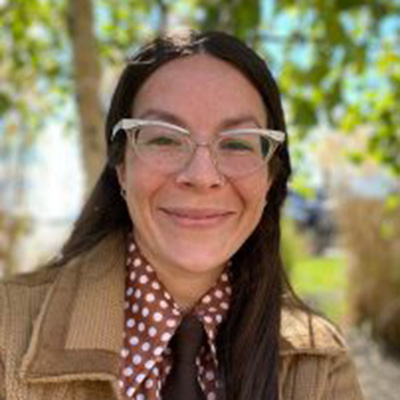 |
Margaret Campbell |
Suicide prevention in public safety sectors is a priority: where do families fit? Research shows families are often viewed as risk or protective factors, or as resources, despite having their own direct and indirect experiences of suicidality. Families are more than factors or actors; recognizing their needs and experiences is crucial for effective suicide prevention. This session examines suicide prevention from a family perspective, sharing insights and outcomes from a five-year research project, including the Inside Suicide podcast.
Afternoon Workshop #5: Partnering for Outcomes to Reduce the “Pains of Employment”: Wellness Strategy, Evaluations, and Striving to Improving Employee Health
Wednesday, April 15
2:15 PM - 3:30 PM
 |
Micheal Ainger |
 |
Dr. Rosemary Ricciardelli, Ph |  |
Dr. Laura McKendy |
Correctional environments can be challenging and demanding workplaces, with the potential for adverse impacts on employee and organizational wellbeing. Canadian and international research highlights that correctional staff are at risk of developing mental health disorders (PTSD, social anxiety, panic disorder, and depression). A longitudinal study in the federal correctional work context, which commenced in 2018, has followed the mental health trajectories of new correctional officer recruits. This research is leading to a better understanding of mental health profiles, sources of stress and work experiences of correctional staff. In parallel, CSC launched the Mental Health Strategy on Workplace Wellness and Employee Well-Being (2025-2028). Underpinned by a “plan, do, check, act” model, the Strategy involves localized unique action plans based on the most relevant psychosocial risk factors as identified in/by the specific workplace. The Strategy is being implemented and refined through a pilot approach in select CSC workplaces.
3:30 PM - 4:15 PM
Plenary Panel Session: Voices from the frontline
Wednesday, April 15
3:30 PM - 4:15 PM
 |
Matthew Pegg |
 |
Mark Baxter |
 |
Melanie Mayoh |
4:15 PM - 4:25 PM
Greetings from the Government of Ontario
Wednesday, April 15
4:15 PM - 4:25 PM
 |
Hon. Michael S. Kerzner |
4:25 PM - 4:30 PM
Ron Tite
Speaker. Author. CEO.
Church+State
A best-selling author, speaker, producer, and entrepreneur, Ron Tite has always blurred the lines between art and commerce. He has been an award-winning advertising writer and creative director for some of the world’s most respected brands including Air France, Evian, Fidelity, Hershey, Johnson & Johnson, Kraft, Intel, Microsoft, Volvo and many others.
He is founder of Church+State, host and executive producer of the hit podcast, “The Coup”, and publisher of This is That Travel Guide to Canada – a best-selling and award-winning satirical book. He has written for television. Penned a children’s book. Wrote, produced and performed a hit play. Created a branded art gallery. And was executive producer & host of the award-winning comedy show, Monkey Toast.
In demand as a speaker all over the world, Ron speaks to leading organizations about leadership, disruption, branding, and creativity.
Ron’s first book, Everyone’s An Artist – Or At Least They Should Be (Co-written by Scott Kavanagh and Christopher Novais), was published by HarperCollins in 2016. His most recent book, Think Do Say: How to Seize Attention and Build Trust in a Busy Busy World, hit store shelves in October or 2019.
Karli Farrow
President and CEO
Trillium Health Partners
Karli Farrow is the President and CEO at Trillium Health Partners (THP). Previously she was the Executive Vice-President of Patient Care Services and Chief Operating Officer where she was accountable for clinical operations and the delivery of exceptional patient experiences. She also oversaw capital planning and redevelopment to ensure that all future planning at THP is closely linked to the delivery of patient care.
Karli joined THP in 2009 prior to the merger of Credit Valley Hospital and Trillium Health Centre. She provided leadership to support the merger of the two organizations in 2011. She has since led innovative processes to engage people within the organization and in the community to achieve the hospital’s strategic mission to deliver a new kind of health care for a healthier community.
Prior to joining THP, Karli worked in health care consulting where she led projects focused on reducing wait times and improving chronic disease management. She has also served in senior advisory roles for the Ontario Government, including Director of Policy for the Premier of Ontario and Chief of Staff to the Minister of Health and Long-Term Care, where she helped develop and implement strategies to improve access to care and long-term sustainability of the health care system in Ontario.
Karli serves on the Board of Trustees of the Healthcare of Ontario Pension Plan (HOOPP) and the Board of Directors of the Institute for Clinical Evaluative Sciences (ICES).
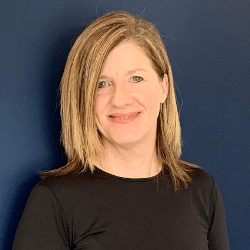
Alison Cocking, BSc. PT, M.Ed.
Managing Director
Insight Health Solutions, Trillium Health Partners
Alison Cocking is a strategic healthcare leader who serves as Trillium Health Partner’s Managing Director, Insight Health Solutions, one of Canada’s largest hospital-based disability management third-party programs. As a senior leader in the healthcare sector, Alison has over three decades of experience leading high functioning teams and programs in their delivery of impactful value-based quality services. The ability to financially contribute Insight’s profits to the hospital’s programs and services to help create a new kind of healthcare for a healthier community, is what drives and inspires her. Alison is a UK-trained Physiotherapist with a Master’s degree in Education from the University of Toronto. An avid kayaker, hiker, traveler and general enthusiast of the great outdoors, Alison’s goal is to have visited 100 countries by 2045.
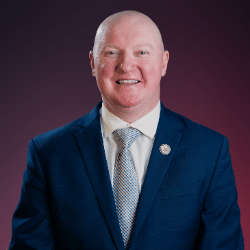
Scott Maxwell
Chief Executive Officer
Wounded Warriors Canada
Scott is a dedicated public servant, mental health champion, and not-for-profit leader.
Scott’s unique experience intersects public policy, national and provincial government, and non-profit business strategy and development.
His passion for those who bravely serve Canada stems from his high school friend, Trooper Darryl Caswell, from Bowmanville who was killed by a roadside bomb in Afghanistan on June 11, 2007.
As CEO of Wounded Warriors Canada, the country’s largest non-profit mental health training and counselling provider for Veterans, First Responders and their families, Scott successfully transformed what was a local volunteer-based initiative into a national organization that provides support to over 30,000 trauma exposed professionals and their families each year.
Scott has been awarded the Minister of Veterans Affairs Commendation, the Queen’s Platinum Jubilee Medallion and the King’s Coronation Medal for Service to Canada.
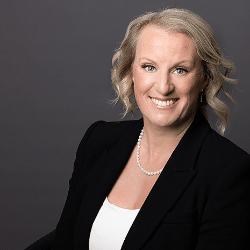
Dr. Megan McElheran, R.Psych
Clinical Psychologist & CEO
Wayfound Mental Health Group
Dr. Megan McElheran is a Registered Clinical Psychologist and the CEO of Wayfound Mental Health Group. She completed her graduate training at the PAU-Stanford University Clinical Psychology Consortium, where she obtained specialized training in the treatment of PTSD through the National Center for PTSD in Menlo Park, CA. Dr. McElheran is passionate about arming frontline workers with the tools they need to help manage their workplace stress and has been in practice in Calgary, Alberta since 2008. She continues to focus on work with first responders, and her clinical practice involves work with active-duty members of the Canadian Forces, members of the Royal Canadian Mounted Police, members of the Calgary Fire Department, medical personnel, and others who are directly or vicariously impacted by traumatic events. Dr. McElheran founded the Before Operational Stress (BOS) program to address the gap in preventative mental health training and support for public safety personnel and frontline workers. She routinely engages in teaching and supervisory activity to ensure the sound dissemination of empirically grounded interventions for trauma. Dr. McElheran is regularly engaged in speaking events, both locally and internationally.
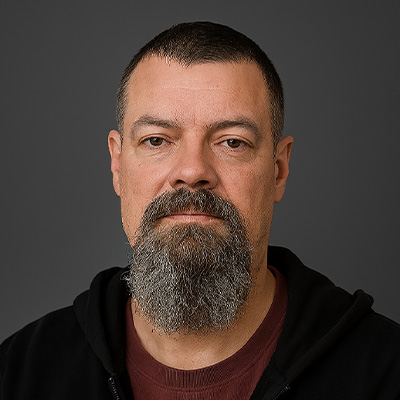
Joe Burrows
OHS Consultant
Government of Alberta
Joe is a Forestry Occupational Health and Safety Consultant with expertise in safety and mental health program development. He currently serves as a Safety Officer for Wildfire Operations with Alberta Forestry. His career includes service as a Correctional Peace Officer at the Edmonton Remand Centre and as a member of the Canadian Armed Forces.
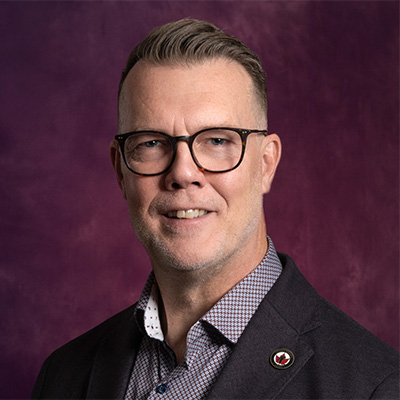
Dr. Tim Black PhD, R. Psych.
National Clinical Director
Wounded Warriors Canada
Dr. Tim Black, R. Psych. is the National Clinical Director for Wounded Warriors Canada. During his more than 20-year career as a tenured Associate Professor at one of the top graduate counsellor education programs in the country, Dr. Black has been a researcher, clinician, program developer, program co-founder, and clinical supervisor specializing in group counselling approaches for working with Trauma Exposed Professionals (TExP) and Trauma Exposed Family (TExF) members. As National Clinical Director, Tim supports and oversees the development and delivery of WWC’s group counselling programs in Canada, as well as WWC’s TExP education and training programs, alongside an extensive team of dedicated mental health professionals committed to serving the needs of TExP and TExF communities.
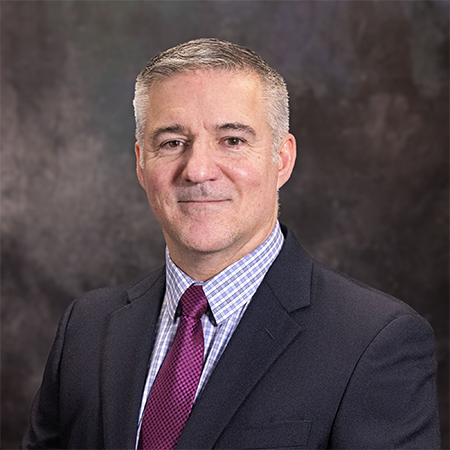
Mike Wionzek
Chief Operating Officer
Warrior Health
Mike Wionzek joined the Warrior health team as Director – Operations and Partner Support, following a 35-year career as a soldier, paramedic and Deputy Chief. Mike served as the Deputy Chief of Toronto Paramedic Services (TPS), the largest municipal Paramedic Service in Canada with over 1,600 staff that respond to over 320,000 emergency calls annually. Mike’s portfolio included the TPS communications centre (CACC), education and quality improvement, IT and systems engineering, hospital liaison, and system performance.
During the COVID pandemic Mike was seconded to Toronto Public Health and the city’s Immunization Task Force as the Director responsible for managing the COVID-19 Mass Immunization Clinic and mobile response plan. Mike led the design, implementation and operationalization of the largest successful Mass Immunization Clinic (MIC) plan including the hiring and developing of over 2,000 new staff that vaccinated hundreds of thousands of clients, while working collaboratively with provincial, municipal, and local partners and organizations.
Mike has served over 35 years in the Canadian Armed Forces and is currently serving as a Lieutenant Colonel in the Health Services. Mike has held various positions including most recently Commanding Officer of 25 Field Ambulance and Deputy Commander and Reserve Advisor for the 4 Health Service Group. Mike also served internationally as a military observer and peacekeeper in Sudan, Africa.
Mike has been awarded the Order of St. John, Canadian Peacekeeping Service Medal, the United Nations Mission in Sudan (UNMIS) Medal, Queen’s Diamond Jubilee Medal, King’s Coronation Medal, Canadian Emergency Medical Services Exemplary Service Medal, and long service medals for the Canadian Armed Forces, St. John Ambulance, and Toronto Paramedic Service. Mike is also Knight in The Order of St. George where he volunteers his time in raising funds for veterans’ organizations.
Mike holds a Bachelor of Health Science in Pre-Hospital Care from Charles Sturt University and a Masters of Defence Studies degree from Royal Military College.
Mike believes in supporting our front-line public safety professionals (PSP) and advocates for the reduction of barriers to education and support. Leveraging his ability to build teams and processes Mike will assist in the Warrior Health team in ensuring that every PSP has ongoing and continual access to the best resources available.
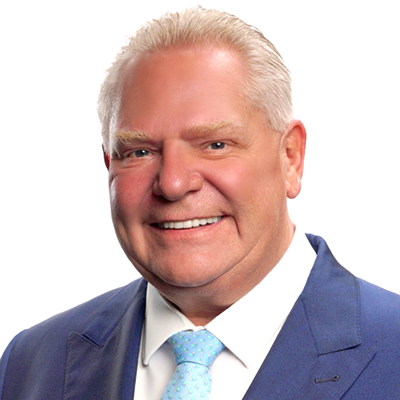
Doug Ford
Premier of Ontario
He was also elected as the MPP for Etobicoke-North in 2018.
Previously, Doug Ford served as Toronto city councillor from 2010-2014, and was vice-chair of the Budget Committee, where he delivered hundreds of millions of dollars in savings for taxpayers. While on city council, Ford served on the board of Build Toronto, and was a director of the Canadian National Exhibition. He also served on the Civic Appointments Committee and the Government Management Committee at Council.
A dedicated community leader, successful businessman with Deco Labels and passionate advocate for the people, Doug’s commitment to public service runs in the family. Three generations of Fords have served the people of Ontario in elected office.
Doug is a life-long resident of the community of Etobicoke, and lives there with his wife Karla and four daughters. His commitment to public service includes over 20 years of dedicated work with the Toronto West Rotary Club and serving as a proud member of the Royal Canadian Legion.
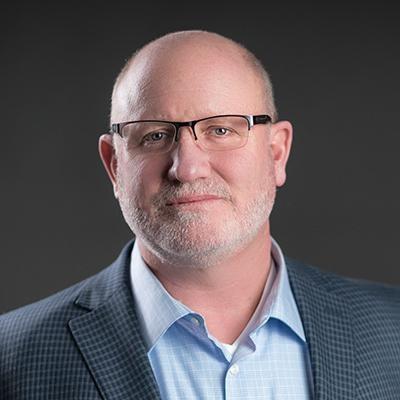
Jeffery Lang
President and CEO
Workplace Safety and Insurance Board (WSIB)
As the President and CEO of the Workplace Safety and Insurance Board (WSIB), I oversee the administration of Ontario’s workplace injury and illness insurance compensation system, serving more than five million people across 300,000 employers. With over 15 years of executive experience in alternative energy, government relations, and business strategy, I bring a diverse and innovative perspective to the insurance industry.
My mission is to make WSIB better, easier to work with, and faster to deliver, so people can recover and get back to their lives. Under my leadership, WSIB has achieved significant results, such as improving outcomes for injured workers, expanding online self-serve options, holding premium rates to a 20-year low, delivering the first-ever surplus rebate worth over $1.2 billion to safe Ontario businesses, and building an inclusive culture centered on accountability, collaboration, empathy, and integrity. I believe strongly in leadership through service, which I demonstrate with my teams, and giving back, which I do in my community and through my development charity.
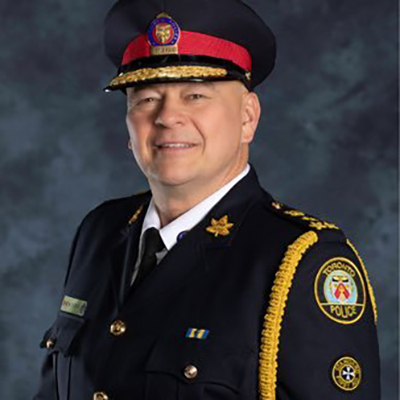
Myron Demkiw
Chief of Police
Toronto Police Service
Myron Demkiw, a Member of the Order of Merit of the Police Forces (M.O.M.), joined the Toronto Police Service in 1990, and became Chief in December of 2022. As head of the largest municipal police service in Canada, and the fourth largest municipal police service in North America, Chief Demkiw oversees 5300 police officers, 2200 civilian Members, and a budget of $1.2 billion.
Over the course of his career, he has served as the Unit Commander of Intelligence Services and the Officer in Charge of Strategy Management Corporate Projects, the Second in Command of 32 Division, Duty Senior Officer, and fulfilled several supervisory roles in various units throughout the organization. He has also participated in several Service-wide initiatives, including as an integral member of the Police and Community Engagement Review (PACER) Team, since its inception in 2012.
As a Staff Superintendent, he was responsible for two different pillars of the organization. He was in charge of Detective Services, which includes the Service’s high-profile investigative units, such as the Homicide Squad, Integrated Guns and Gangs Task Force, and the Hold-Up Squad. He also oversaw Corporate Risk Management, which includes Professional Standards, Professional Standards Support and the Toronto Police College.
In addition to his hands-on experience and community-building work, Chief Demkiw is a well-respected policing leader. He is the Vice-Chair of the International Association of Chiefs of Police’s Global Policing Division Committee, he sits on the board of the Canadian Association of Chiefs of Police (CACP), and is a member of the Major City Chiefs Association (MCCA). He is known for his ongoing commitment to counter-terrorism and national security. Chief Demkiw is engaged both nationally and internationally on these issues, including as President of the Leadership in Counter-terrorism Alumni Association (LinCT-AA), which counts senior police and intelligence leaders from other Five Eyes partner countries. He is also a member of the CACP National Working Group Supporting Victims of Terrorism and Mass Violence, and a former member of the Countering Violent Extremism Working Group.
Chief Demkiw deeply understands the complex nature and dynamics of a major city like Toronto. He is committed to delivering police services that keep residents safe while making sure his members have the tools they need to perform their duties effectively. For example, he has introduced transformative initiatives focused on supporting the wellness and mental health of his members.
An alumnus of the University of Toronto, Chief Demkiw earned his Bachelor of Arts degree in his twenties, majoring in both Criminology and Political Science. He later returned to attend the Faculty of Law and completed the Global Professional Master of Laws program. He is also a graduate of the Rotman School of Management’s Police Leadership Program. Chief Demkiw is a married father of two and a proud member of Toronto’s Ukrainian community.

Dr. Nadia Aleem
Psychiatrist, MD, MHSc CCFP, FRCP
Mental Health Lead
Insight Health Solutions, Trillium Health Partners
Dr. Nadia Aleem initially worked as a Family medicine Doctor and Addictions Physician prior to retraining and starting her work as a Psychiatrist. She is currently the Mental Health Lead Physician at Insight Solutions, Trillium Health Partners and was formerly the Medical Head at the Work Stress and Health Program at the Centre for Addiction and Mental Health. Nadia works exclusively in the field of Occupational Psychiatry, specializing in disability management and providing consultation and education on workplace mental health policies. She is an Assistant Professor at the University of Toronto and provides education seminars to organizations and medical training programs across Canada.
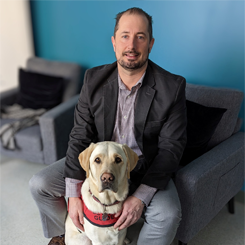
Mike Annan
Director of Service Dogs
BC & Alberta Guide Dogs
Mike Annan resides in Nanaimo, British Columbia on Vancouver Island. Mike, began his career in 2004 by founding Sal Pacific Canine Obedience, where he led a team of trainers and developed puppy and competition-level obedience programs. His LIMA-based, positive training methods attracted up to 120 dogs in classes each month.
In 2008, Mike partnered with Dr. Jeff Grognet, DVM, to launch the Academy for Canine Educators (ACE), a behavior clinic and online education platform serving veterinarians, pet owners, and shelter workers. Their programs included seminars, e-books, and training courses delivered to organizations such as the BCSPCA.
In 2013, Mike was invited to pilot a service dog program for military veterans with PTSD. The project grew rapidly, leading to the creation of VICD Service Dogs. Mike oversaw the program’s first Assistance Dogs International accreditation in 2017—making it one of the first organizations in the world to be accredited under ADI’s Military-Related PTSD Service Dog Standards.
In 2019, VICD Service Dogs merged with BC & Alberta Guide Dogs, expanding operations to include Vancouver Island, Vancouver, The Lower Mainland, Edmonton and Calgary. Mike now serves as an ADI Accreditation Assessor, trainer certification committee member, and Wounded Warriors Canada National Service Dog Advisor. Mikes passion for championing collaboration and excellence in service dog programs has led him to help build OSI PTSD programs around the globe mentoring programs across Canada as well as Japan, Sweeden, USA, Australia and Poland.
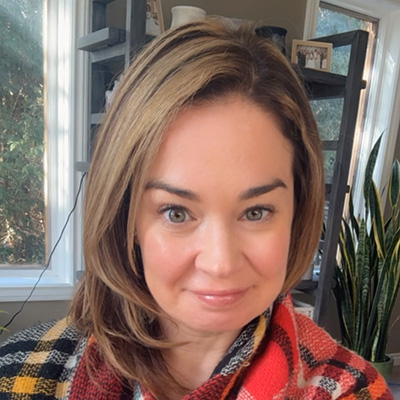
Vikki Madden, MSc (OT), OT Reg. (Ont.)
Occupational Therapist, Psychotherapist
FunctionAbility Rehabilitation Services
Vikki Madden is a registered Occupational Therapist and Psychotherapist providing direct therapy services as well as Psychotherapy clinical supervision at FunctionAbility Rehabilitation. Vikki has over 20 years of experience supporting individuals suffering from depression, anxiety, trauma, schizophrenia, bipolar disorder, brain injury, chronic pain and addiction. Vikki has completed an Honors Bachelors of Science degree from McMaster University and a Master of Science in Occupational Therapy from the University of Western Ontario. She has completed advanced training and certification in several areas including: Cognitive Behavioural Therapy, Dialectical Behavioural Therapy, Acceptance and Commitment Therapy, Chronic Pain management, mindfulness-based interventions motivational interviewing and addictions counselling. Vikki is currently an adjunct professor for the school of Occupational Therapy at McMaster University and the University of Toronto. Vikki has significant experience working with the first responder population who are struggling with work related emotional health issues. She uses recovery principles and Psychotherapy modalities to support clients in their recovery journey and to enable function in day-to-day life. In her role as a Psychotherapy Clinical Supervisor, Vikki supports the growth and development of fellow OT’s who are developing their psychotherapy practice. In this role, Vikki provides 1:1 support and mentorship as well as facilitates group supervision and provides regular education sessions on a variety of OT psychotherapy interventions for supervisee’s.
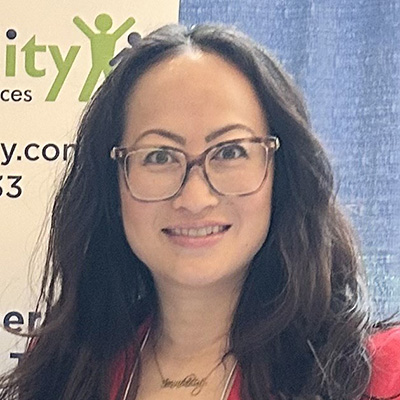
Genevieve Bernardo, MScOT, OT Reg. (Ont.)
Occupational Therapist, Manager of Clinical Services, Clinical Lead for RTW Programs
FunctionAbility Rehabilitation Services
Genevieve Bernardo is a registered Occupational Therapist and Manager of Clinical Services at FunctionAbility Rehabilitation Services. She is also the Clinical Lead for Return-to-Work programming and supports OT psychotherapy program development across the practice in Ontario and BC. With over 20 years of OT experience, Genevieve began working in inpatient rehabilitation, treating individuals affected by a variety of neurological impairments. Following the transition to private community-based work, Genevieve has focused on assessing and treating clients with a spectrum of traumatic brain injuries, multiple orthopaedic injuries, and complex mental health with trauma-focused needs resulting from motor vehicle collisions, workplace incidences, and other personal injuries and conditions. Over the last 9 years, her clinical practice has shifted to focus on mental health and psychotherapy, providing direct assessment and treatment primarily with first responders and veterans, addressing the functional impact on quality of life and return-to-work. She has completed continuing education in several areas including: Neurodevelopment Treatment, Concussion Management, Cognitive Behavioural Therapy, Dialectical Behavioural Therapy, Acceptance and Commitment Therapy, Prolonged Exposure Therapy, and Coaching for Return to Work. She uses her varied skill set and knowledge to manage complex caseloads and clients’ recovery, with the goal of restoring and enabling function and engagement in their daily lives. Similarly, she supports therapist teams in the quality of their practice.
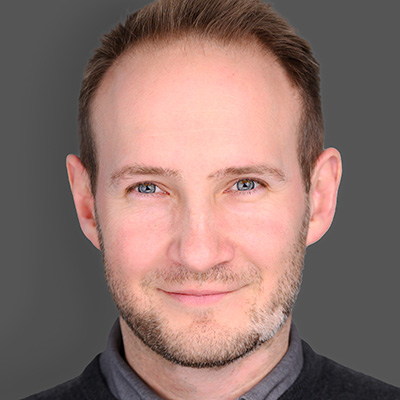
Justin Mausz, Ph.D.
Paramedic-Scientist
Peel Regional Paramedic Services
Adjunct Professor
Department of Family and Community Medicine, the University of Toronto.
Dr. Justin Mausz is a clinician-scientist with Peel Regional Paramedic Services and adjunct faculty member in the Department of Family and Community Medicine at the University of Toronto. Dr. Mausz’s research occupational health well-being among paramedics.
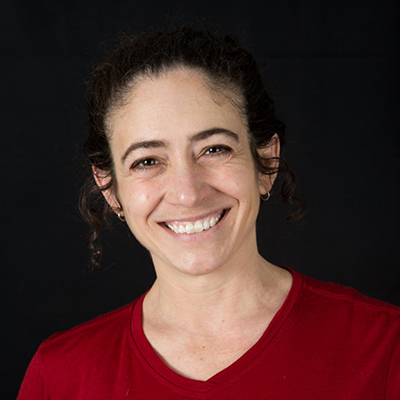
Elizabeth Donnelly, Ph.D., NREMT
Professor
School of Social Work, the University of Windsor
Dr. Elizabeth Donnelly is a professor of social work at the University of Windsor and a nationally registered Emergency Medical Technician. Dr. Donnelly’s research focuses on workforce mental health and well-being among paramedics.

Dave Wakely, LLM
President
OPSEU/SEFPO Local 277
Advanced Care Paramedic
Peel Regional Paramedic Services
Dave Wakely is an Advanced Care Paramedic and President of OPSEU/SEFPO Local 277, representing paramedics and logistics technicians in the Region of Peel.
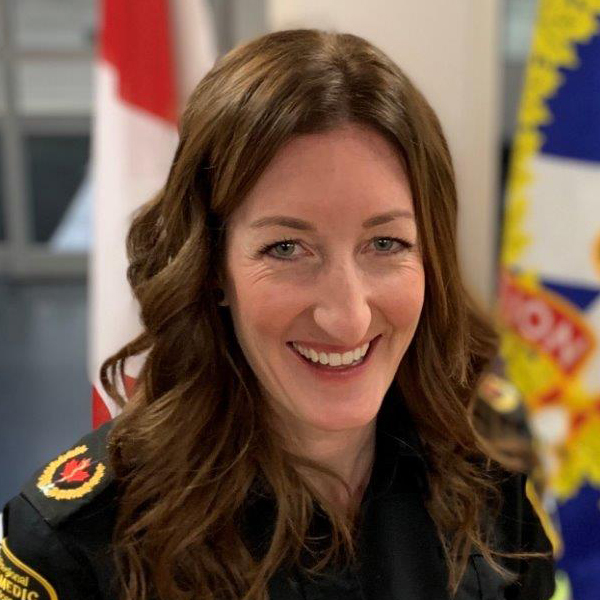
Mandy Johnston, ACP
Commander
Peel Regional Paramedic Services
Mandy Johnston is a commander with Peel Regional Paramedic Services and lead of the External Violence Against Paramedics Program.
Cory Tkatch, BBA
Deputy Chief, Operations
Peel Regional Paramedic Services
Cory Tkatch is the Deputy Chief (Operations) at Peel Regional Paramedic Services.
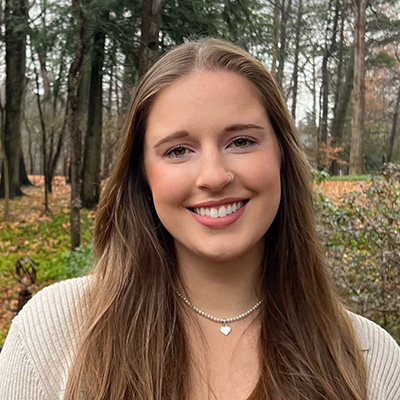
Heather Humphrey, BSW, MSW, RSW
Social Worker & Psychotherapist
Insight Health Solutions, Trillium Health Partners
Heather is a mental health clinician (Registered Social Worker & Psychotherapist) in the WSIB Mental Health Specialized Care program and Community Mental Health Program, providing first responders experiencing psychological injuries with meaningful, evidence-based therapies to support their recovery and return to work goals. She has prior years of experience in several inpatient, outpatient, public and privately funded mental health and addiction programs. Her clinical work focuses on first responders who are impacted by psychologically traumatic events, and she was inspired to work with first responders after her experiences as an ER crisis worker and a volunteer in a correctional institution. Recently, she has enjoyed facilitating Warrior Health educational and training sessions to various Public Safety Organizations across Ontario.
She has a Sociology degree from Queen’s University, a Bachelor’s of Social Work from McMaster University, and a Master’s of Social Work from the University of Waterloo.
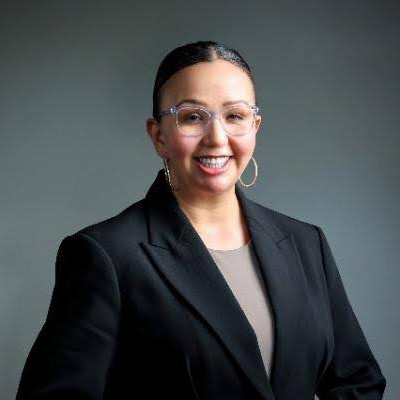
Taylor Sayers
Director of Corporate Services
UCCM Anishnaabe Police Service
Taylor Sayers is a member of the Ketegaunseebee First Nation and currently works as the Director of Corporate Services with UCCM Anishnaabe Police Service. The police service serves six First Nation communities on and around Manitoulin Island. For the past 15 years she has provided senior leadership to the corporate functions of the police service, and has worked with the Police Service’s Commission, and the Chief of Police to meet and deliver the organization’s strategic objectives and meet its vision and mission. She is also a part of the negotiating team that secures the organization’s ongoing core funding with Public Safety Canada and the Solicitor General and also has served as a key part of ensuring pension parity Ontario Indigenous Police Service employees.
Taylor has been instrumental in being a part of the developments of culturally responsive policing initiatives for the organization, including most recently, the Lighting the Fire Within project. Under the Lighting the Fire Within initiative she developed the culture and trauma informed curriculum offered by the police service. The curriculum focuses on providing participants with crisis intervention and de-escalation training, responding to mental health and addictions crises in communities, trauma informed approaches to policing from a culturally safe lens, and ensuring a proactive approach to an individual’s own mental health as a first responder. This training has allowed individuals in the service to take part in seminars that focus on bettering their overall health and well-being from a holistic perspective - the physical, mental, emotional, and spiritual aspects of an individual.
She is very passionate about mental health in the workplace and contributes as a member to various provincial and national working groups that focus on improving the mental health of public safety personnel (PSP). Some of the working groups include the Indigenous Police Chiefs of Ontario (IPCO), the Solicitor General’s Mental Health Secretariat - Joint Mental Health Collaboration Table, and the Executive Committee of the Canadian Public Safety Leadership. Taylor was also a part of the advisory panel for the IPCO Mental Health Review of the Indigenous Police Services of Ontario completed in 2021 and served as the police service representative during the review. Taylor is a graduate of Business Administration from Laurentian University – Algoma University College and holds certificates in Labour Law and Workplace Mental Health Law from York University.

Dr. Vivien Lee, C.Psych.
Chief Psychologist
Ontario Provincial Police (OPP)
Dr. Vivien Lee is the Chief Psychologist for the Ontario Provincial Police (OPP) and concurrently served from 2021 to 2025 as the Bureau Commander of the OPP Healthy Workplace Team, a Bureau dedicated to the psychological, physical, and spiritual health for members, families, retirees, and auxiliaries. Dr. Lee has been the clinical advisor for Boots on the Ground – Ontario since its inception in 2018. She is a Board Director for Toronto Beyond the Blue, serves on the Psychological Services Committee of the Canadian Association Chiefs of Police (CACP), and is as a Contributing Editor for the Journal of Community Safety and Well-Being.
Dr. Lee previously worked in the Psychological Trauma Program / Work, Stress & Health Program at the Centre for Addiction and Mental Health (CAMH) and as a clinician for Wounded Warriors Canada. She has previously served as a Board Director on the Public Services Health and Safety Association (PSHSA), and as Chair of the Service Provider Reference Group with the Atlas Institute for Veterans and Families. In 2025, Dr. Lee was awarded the King Charles III’s Coronation Medal.
Dr. Lee earned her PhD and Masters in Clinical Psychology at Western University and HBSc from the University of Toronto. She is a graduate of the Police Executive Leadership Program at the Rotman School of Management, University of Toronto.
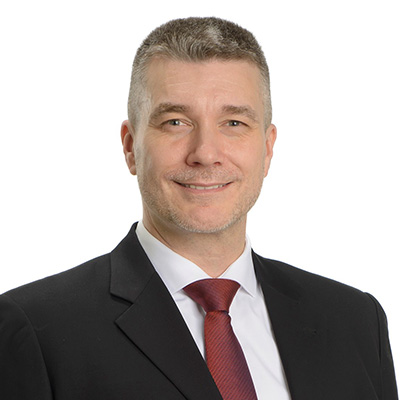
Dr. R. Nicholas Carleton, Ph.D., R.D. Psych.
Professor of Clinical Psychology
University of Regina
R. Nicholas Carleton, Ph.D. is a Professor of Clinical Psychology and a registered clinical psychologist in Saskatchewan. His work is focused on supporting the mental health of first responders and other public safety personnel. He has published 300+ peer-reviewed articles and book chapters exploring the fundamental bases of anxiety- and trauma-related disorders, cited 25K+ times. He has completed 600+ national and international conference presentations. He also serves as an active member of several national and international professional associations. As principal or co-principal investigator he has been awarded $110M+ in competitive external funding. He has received several prestigious awards and recognitions, including induction to the Royal Society of Canada’s College and as a Fellow of the Canadian Academy of Health Sciences, the 2020 Royal-Mach-Gaensslen Prize for Mental Health Research, and the 2023 Saskatchewan Health Research Foundation Mid-Career Award, as well as Canadian Psychological Association Awards for Distinguished Contributions to Psychology as a Profession and Distinguished Contributions to Public or Community Service. He is principal investigator for the RCMP Longitudinal PTSD Study (www.rcmpstudy.ca) and the associated extension study for Saskatchewan public safety personnel (www.saskptsistudy.ca), and co-investigator on the Federal Internet Cognitive Behavioral Therapy Program for public safety personnel (www.PSPNET.ca).
Dr. Tim Black PhD, R. Psych.
National Clinical Director
Wounded Warriors Canada
Dr. Tim Black, R. Psych. is the National Clinical Director for Wounded Warriors Canada. During his more than 20-year career as a tenured Associate Professor at one of the top graduate counsellor education programs in the country, Dr. Black has been a researcher, clinician, program developer, program co-founder, and clinical supervisor specializing in group counselling approaches for working with Trauma Exposed Professionals (TExP) and Trauma Exposed Family (TExF) members. As National Clinical Director, Tim supports and oversees the development and delivery of WWC’s group counselling programs in Canada, as well as WWC’s TExP education and training programs, alongside an extensive team of dedicated mental health professionals committed to serving the needs of TExP and TExF communities.
Dr. Nadia Aleem
Psychiatrist, MD, MHSc CCFP, FRCP
Mental Health Lead
Insight Health Solutions, Trillium Health Partners
Dr. Nadia Aleem initially worked as a Family medicine Doctor and Addictions Physician prior to retraining and starting her work as a Psychiatrist. She is currently the Mental Health Lead Physician at Insight Solutions, Trillium Health Partners and was formerly the Medical Head at the Work Stress and Health Program at the Centre for Addiction and Mental Health. Nadia works exclusively in the field of Occupational Psychiatry, specializing in disability management and providing consultation and education on workplace mental health policies. She is an Assistant Professor at the University of Toronto and provides education seminars to organizations and medical training programs across Canada.
Margaret Campbell
Assistant Professor, Department of Aging and Family Science
Mount Saint Vincent University, Garnet Families
Margaret Campbell holds a PhD in Social and Cultural Analysis from Concordia University. Following her doctorate, she completed a Mitacs postdoctoral fellowship with the Vanier Institute of the Family and the School of Rehabilitation Therapy at Queen’s University. She is an Assistant Professor in the Department of Aging and Family Science at Mount Saint Vincent University and a member of the Families Matter Research Group. Her research focuses on three areas: suicide and grief within military, Veteran, and public safety families; the intersection of work and family life; and families with disabilities. In collaboration with Dr. Heidi Cramm, she examines how families experience and make meaning of suicide loss, with particular attention to the organizational, cultural, and occupational conditions that shape grief and remembrance.
Margaret Campbell
Assistant Professor, Department of Aging and Family Science
Mount Saint Vincent University, Garnet Families
Margaret Campbell holds a PhD in Social and Cultural Analysis from Concordia University. Following her doctorate, she completed a Mitacs postdoctoral fellowship with the Vanier Institute of the Family and the School of Rehabilitation Therapy at Queen’s University. She is an Assistant Professor in the Department of Aging and Family Science at Mount Saint Vincent University and a member of the Families Matter Research Group. Her research focuses on three areas: suicide and grief within military, Veteran, and public safety families; the intersection of work and family life; and families with disabilities. In collaboration with Dr. Heidi Cramm, she examines how families experience and make meaning of suicide loss, with particular attention to the organizational, cultural, and occupational conditions that shape grief and remembrance.
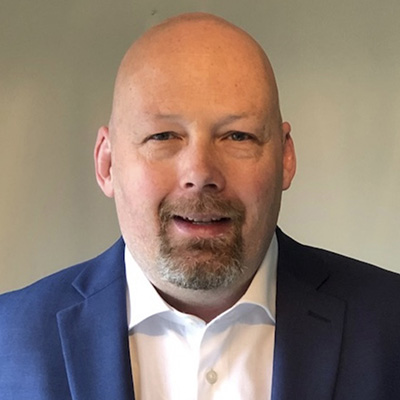
Dave McLennan
President, CEO
Boots on the Ground Peer Support for First Responders
Dave is a retired police constable having served over 30 years with Peel Police in Ontario. Dave is the founder and president of Boots On The Ground - Peer Support For First Responders. Boots On The Ground provides 24/7 peer support to all First Responders across the province of Ontario including Police, Fire, EMS and Corrections and Nurses. Boots On The Ground serves both sworn and civilian members of all services including serving and retired members.
Dave has answered hundred of calls on the peer support help line and he has intervened with many suicidal callers. He has seen first hand the effects of stress and trauma and has regrettably lost too many First Responder friends and colleagues to suicide. He has witnessed countless others struggle as they face the impacts of trauma, stigma, and reprisal. His continued call to serve has led to the path as Founder and President of Boots On The Ground, making suicide awareness, prevention, and intervention a priority for our anonymous peer support program run by First Responders, for First Responders. With 181 volunteers working the phone lines 24-7/365 and four trainers in Applied Suicide Intervention Skills Training, Boots On The Ground is passionate about creating safer communities for First Responders.
Chris Harkins
Deputy Commissioner
Ontario Provincial Police (OPP)
Deputy Commissioner Chris Harkins began his career with the Ontario Provincial Police (OPP) in 1990. He has worked on the frontline, in crime, as a team leader, as an executive officer, and in covert operations. This includes serving as Commander of the Physical Surveillance Unit; Manager of the Analytical Section - Provincial Operations Intelligence Bureau; Deputy Director of the Organized Crime Section East/North; Commander of the Fleet, Supply and Weapons Services Bureau; Commander of East Region; and since 2019, as the Provincial Commander of Field Operations.
He co-led an organizational review on mental health to help strengthen health and wellbeing for members, resulting in the creation of the Healthy Workplace Team for the OPP. Deputy OPP Commissioner Harkins is a graduate of the Rotman School of Management Police Leadership Program as well as a graduate of the Canadian Association of Chiefs of Police Global Studies Program.
He is an Officer of the Order of Merit of the Police Forces, and in 2025, he was awarded the King Charles III Coronation Medal, recognizing significant contributions to Canada.
Michael Ainger
Corrections Officer
Correctional Service of Canada
Mr. Micheal Ainger is a 17-year employee of the Correctional Service of Canada (CSC). While working at Beaver Creek Institution, he assumed a variety of roles (Correctional Officer, Crisis Negotiator, Emergency Response Team member, Security Maintenance Officer, Correctional Training Officer, and Correctional Manager). Additionally, Mr. Ainger gained experience with the Union of Canadian Correctional Officers (UCCO-SACC-CSN), where he contributed on local, regional, and national level initiatives, and as a union executive trainer.
He also assumed roles with CSC’s Learning & Development as a Training Officer with the Correctional Learning and Development Centre, and at the National Satellite Training Academy. When possible, Mr. Ainger continues to volunteer to deliver training sessions, particularly the New Employee Orientation Program, which allows him the opportunity to meet new staff as they begin their careers with CSC.
Most recently, Mr. Ainger has worked within the Workplace Wellness and Employee Wellbeing Directorate. In this area, he worked on the foundation team for CSC’s Workplace Health Management Unit and as a Regional Return to Work Advisor on various occasions. Currently, Mr. Ainger assumes the role of National Manager, Employee Mental Health Unit, and endeavours to apply his experience towards enabling better outcomes for staff throughout the organization.
Dr. Laura McKendy
Senior Manager, Research Branch
Correctional Service of Canada
Laura McKendy has a PhD in Sociology from Carleton University and completed a postdoctoral fellowship at Memorial University, with research focusing on the mental health and work experiences of correctional workers in Canadian provinces. She currently works as a senior manager in the Research Branch of the Correctional Service of Canada, working a on variety of projects, including employee mental health and well-being.
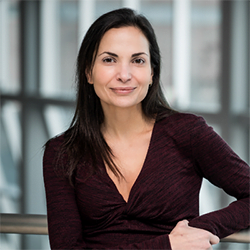
Dr. Rosemary Ricciardelli, PhD
Professor and Research Chair: Safety, Security, and Wellness
Memorial University of Newfoundland
Dr. Rosemary Ricciardelli is Professor (PhD) in the School of Maritime Studies and Research Chair in Safety, Security, and Wellness, at Memorial University’s Fisheries and Marine Institute. The winner of the 2023 International Corrections and Prison Association’s Research Excellence Award, the Canadian Sociological Association’s Angus Reid Applied Researcher Award, and the President’s Award for the International Community Justice Association in 2024. Ricciardelli was also elected to the Royal Society of Canada and is a fellow of the Canadian Academy of Health Sciences. Her research centers on evolving understandings of the needs of public safety personnel, their leaders, and those who experience systems of justice with a focus on occupational and posttraumatic stress injuries, vulnerabilities, and risk. She has published 18 books, 320+ journal articles, and 75+ chapters and given over 600 presentations in the areas of police, firefighting, correctional workers, public safety communicators, security intelligence officers, and people who are criminalized, and social, mental, and physical health. As a sex and gender researcher, her interests lay in the supporting societies through empowerment of the frontlines for positive community impacts always informed by evidence. She leads a longitudinal study on the mental health and well-being experiences of correctional officers employed by Correctional Services Canada and has participated in correctional officer training with the Service and all Correctional Services in Canada. She also works in partnership with the Uganda Prison Service and Michigan Department of Corrections, as well as select youth justice and heath organizations, and contributes to MicroResearch International.
Matthew Pegg
Deputy Minister & Commissioner of Emergency Management
Ontario Government
Matthew Pegg was appointed Deputy Minister of Emergency Preparedness and Response and the Commissioner of Emergency Management for Ontario in October 2025. In this role, he leads the province’s strategic planning, preparedness and coordinated response to emergencies, working in partnership with all levels of government, Indigenous communities and organizations, non-profits and private industry.
Prior to his appointment, Matthew served as Chief Operating Officer of Warrior Health, where he led the development and implementation of Ontario’s Mental Health Supports for Public Safety Personnel (MHS4PSP) strategy. He continues to be a passionate advocate for mental health, working to reduce stigma and promote resilience among public safety professionals across the province.
Matthew’s public safety career spans more than 32 years. From 2016 to 2024, he served as Chief of Toronto Fire Services, one of the largest and most complex in North America. Under his leadership, Toronto Fire Services focused on data, outcomes and people. He launched the country’s first emergency services Data Analytics and Decision Support team and the Toronto Fire Services Mental Health and Wellness Program.
During the COVID-19 pandemic, Matthew was appointed the City of Toronto’s Incident Commander from March 2020 to April 2022. He led the longest sustained activation of the City’s Emergency Operations Centre and oversaw Toronto’s COVID-19 Immunization Task Force, which contributed to the design of the provincial playbook for vaccine clinic operations.
Earlier in his career, he held senior leadership roles in fire services across multiple Ontario municipalities, including Toronto, Brampton, Ajax and Georgina. He is also a licensed mechanic and commercial pilot, having worked professionally in both fields.
Matthew is a graduate of Dalhousie University in Leadership and Administration, Queen’s University in Labour Relations and the Schulich School of Business in Public Management. His service has been recognized with numerous honors, including the Heroism and Community Service Medal, the Ontario Medal for Firefighter’s Bravery, the Canadian Fire Service Exemplary Service Medal, the Ontario Fire Services Long Service Medal and the King Charles III coronation medal for public service.
Mark Baxter
President
Police Association of Ontario
Mark was elected President of the Police Association of Ontario (PAO) in 2021. He is an accomplished leader recognized for advocating and advancing the rights, interests, and well-being of Ontario’s police personnel.
He was elected to the PAO Board of Directors as a Uniform Director in 2014, serving for seven years, five of which as Board Chair. Mark sat on the Thunder Bay Expert Panel, currently sits on the Ontario Police Arbitration Commission, and is the Co-Chair of the Section 21 Advisory Committee. Mark is passionate about member wellness and mental health and is proud to serve on the Canada Beyond the Blue Awards Committee.
Mark credits his local police association in Brantford, Ontario, for contributing to his work ethic and passion for labour relations. He served as Vice President of the Brantford Police Association from 2012 to 2015 and President from 2015 to 2021.
His policing career started in 2005 as a police officer with the Brantford Police Service, serving in various capacities, including frontline patrol, high school resource officer, and collision reconstructionist. At the time of his election to the PAO, he held the position of frontline patrol sergeant.
Mark is a proud father of two young boys. During his free time, he coaches U11 rep baseball and has been a basketball referee for over 25 years, officiating local, OCAA and USport games at a provincial and national level.
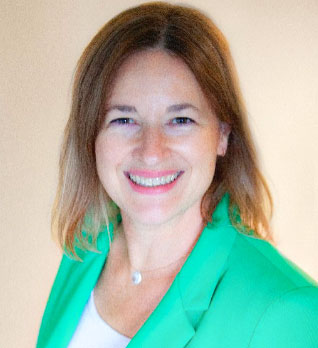
Meredith Brown, B.A., J.D.
Partner, CALIBRATE
meredith@calibratesolutions.ca
www.calibratesolutions.ca
Meredith Brown is a Canadian justice sector leader and change maker with over 25 years of experience working locally, nationally and globally to bring positive change to human rights and system transformation challenges. She is a principal at CALIBRATE, a systems-change consultancy that works collaboratively with clients across the globe. She specializes in governance, justice system functionality and performance, gender equality and women’s empowerment, human rights, post-conflict development and access to justice. She is a recognized expert evaluator with UN Women, the United Nations Development Program (UNDP), the United Nations Fund for Population (UNFPA), and other international multilateral organizations.
Meredith has led Canadian projects in collaboration with, and hired by, governments and Indigenous organizations, including multi-community research, consultation, and inquiry on Indigenous justice and policing, policy and operational support to the building of First Nations-led justice centres, and collaborative workshops on organizational transformation and workplace health. Her work with Indigenous police on mental health and wellness has supported transformation in the First Nations policing environment in Ontario. She is a member of the Access to Innovation Advisory Council for the Law Society of Ontario.
Prior to joining CALBRATE, Meredith was a senior leader and Crown Counsel at the Ministry of the Attorney General for Ontario.
Hon. Michael S. Kerzner
Solicitor General
Government of Ontario
Melanie Mayoh
Assistant Deputy Minister, Solicitor General Health Services Division. Government of Ontario
Melanie Mayoh is a healthcare executive focused on improving care for vulnerable populations through system-level transformation.
She currently serves as Assistant Deputy Minister of Health Services with the Ontario Ministry of the Solicitor General, where she leads healthcare delivery across Ontario’s adult correctional system and oversees the development of programs to support the mental health and wellness of public safety personnel. With nearly 20 years of experience across government and the broader health sector, her work spans correctional healthcare, mental health, cancer control, women’s health, HIV care and prevention, and health system quality improvement.
Melanie is known for her ability to lead complex system change, aligning patient and provider needs with system priorities to drive meaningful and sustainable outcomes.
She holds a BSc from Western University and a master’s degree from the University of Cape Town, and is a Certified Health Executive (CHE) with the Canadian College of Health Leaders.
Outside of her professional role, Melanie is actively involved in her community as a board member of a women’s shelter and a coach in youth hockey.
Amanda Neveu
Board LIason, Police Governing Authority
UCCM Anishnaabe Police Service
Amanda Neveu is an Anishinaabekwe and a proud member of Batchewana First Nation. Born and raised in Sault Ste. Marie, Ontario, she maintains strong connections to her community, culture, and the lands and waters of Northern Ontario.
Amanda holds a Bachelor of Fine Arts from the University of Windsor and a Bachelor of Education from Western University. She began her career in public service with the Royal Canadian Mounted Police (RCMP), where she spent over ten years as a Detachment Assistant. During this time, she developed extensive experience in operations support, administration, and community‑facing work.
In 2021, Amanda joined the Anishinabek Police Service, a move that allowed her to align her professional career with her passion for community connection, cultural engagement, and public service. She is deeply committed to supporting member wellness and takes pride in contributing to a positive and healthy organizational environment.
Outside of work, Amanda cherishes time with her two children and extended family. She especially values peaceful moments at her cottage on Lake Superior, her little slice of paradise.
.
Dr. Heather Hadjistavropoulos, PhD
Principal Investigator & Director
PSPNET
Dr. Heather Hadjistavropoulos is a Professor of Psychology at the University of Regina and Founder of PSPNET, a national service delivering internet-delivered cognitive behavioural therapy to public safety personnel across Canada. Her research focuses on developing, evaluating, and implementing accessible, scalable, evidence-based digital mental health interventions.
She has secured over $60 million in funding and published more than 250 peer-reviewed papers and book chapters. Her work has been recognized with numerous awards, including the CPA Award for Distinguished Contributions to Psychology as a Profession, as well as the Leadership and Translational Research Awards from the International Society for Internet Interventions. In 2025, she was named Canadian Global Ambassador for the World Confederation of Cognitive and Behavioural Therapies. She is a Fellow of both the Canadian Association of Cognitive Behavioural Therapies and the C
.